
Women’s Watches: Make Mine a Large
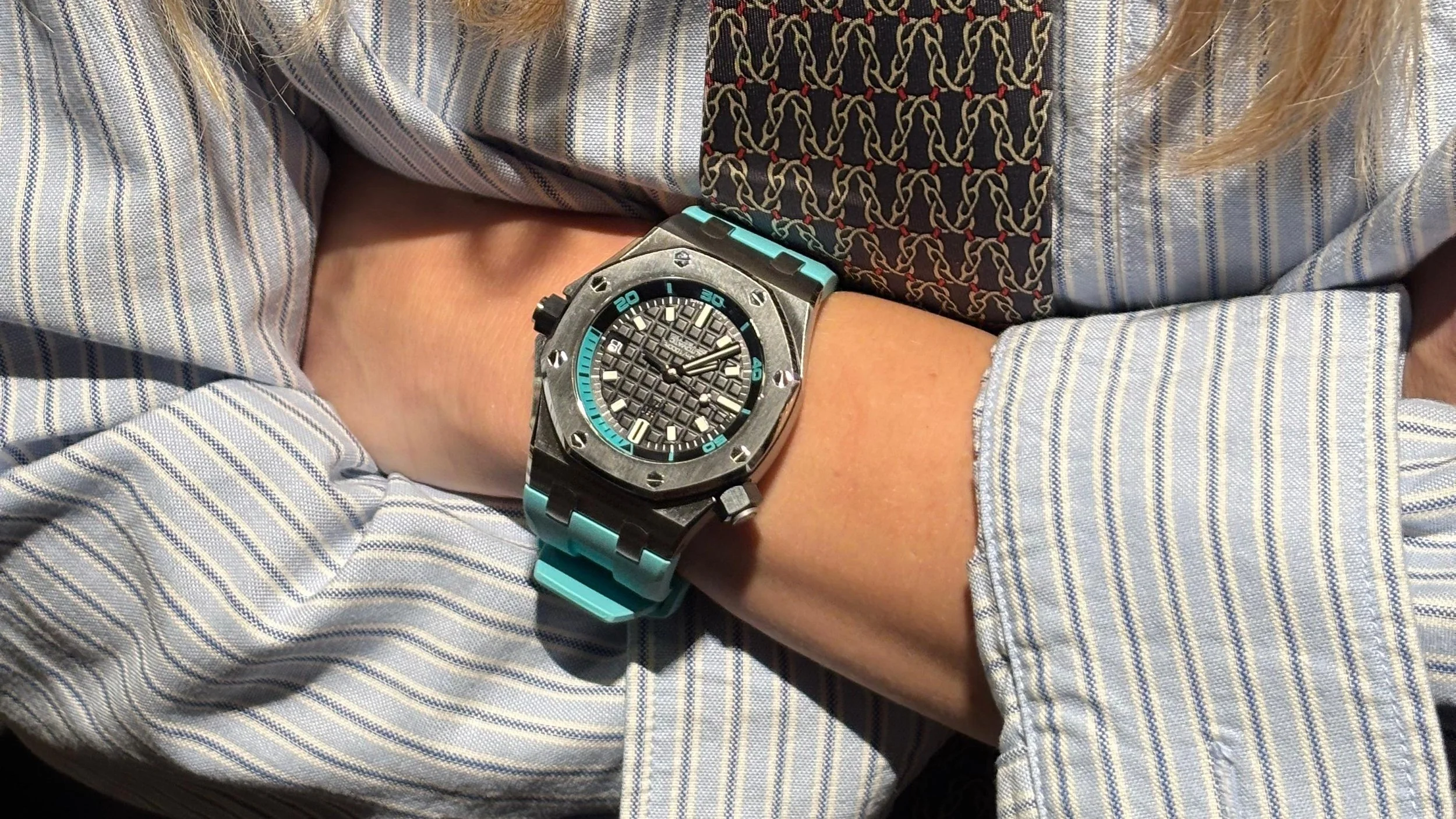
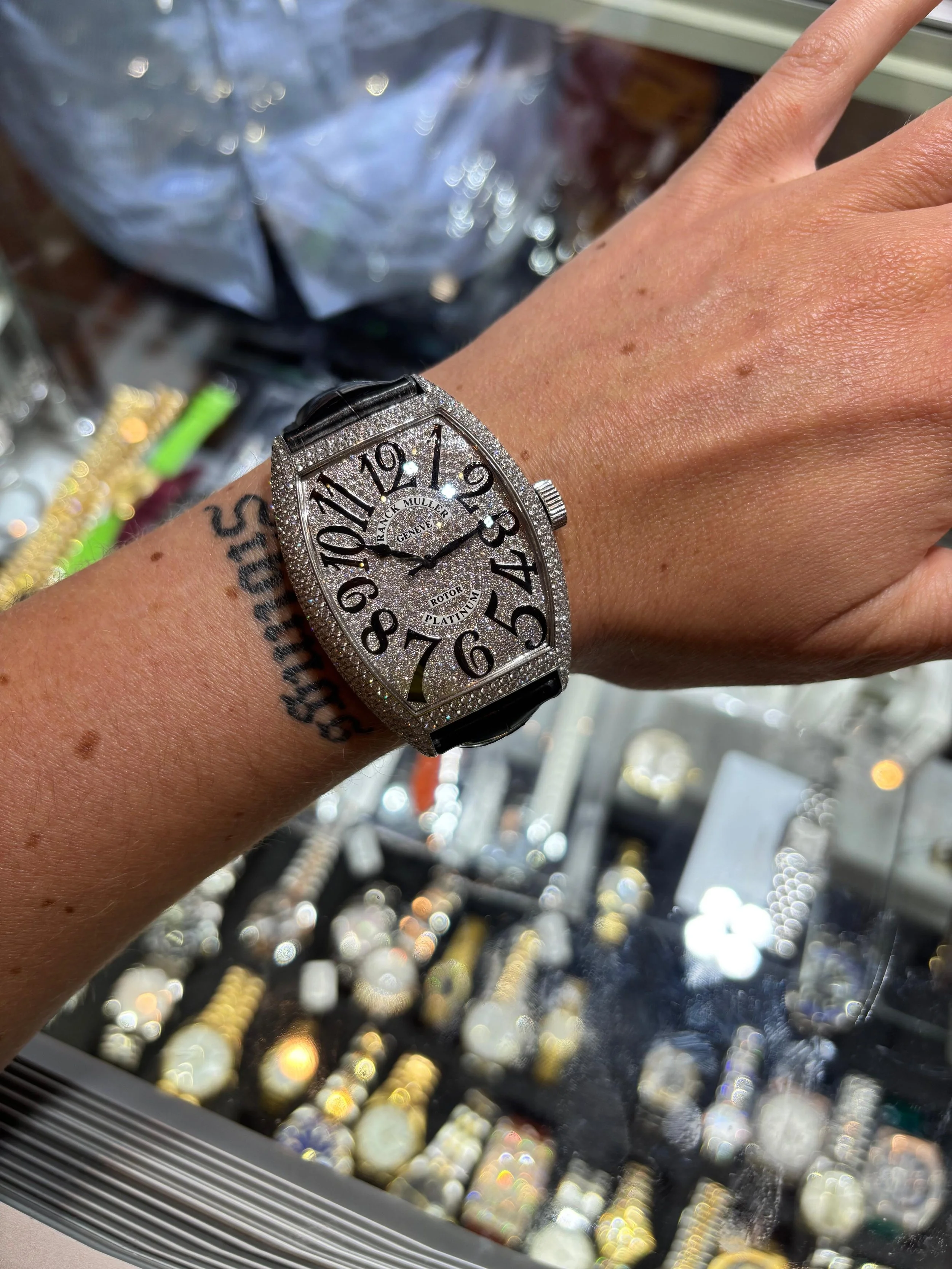
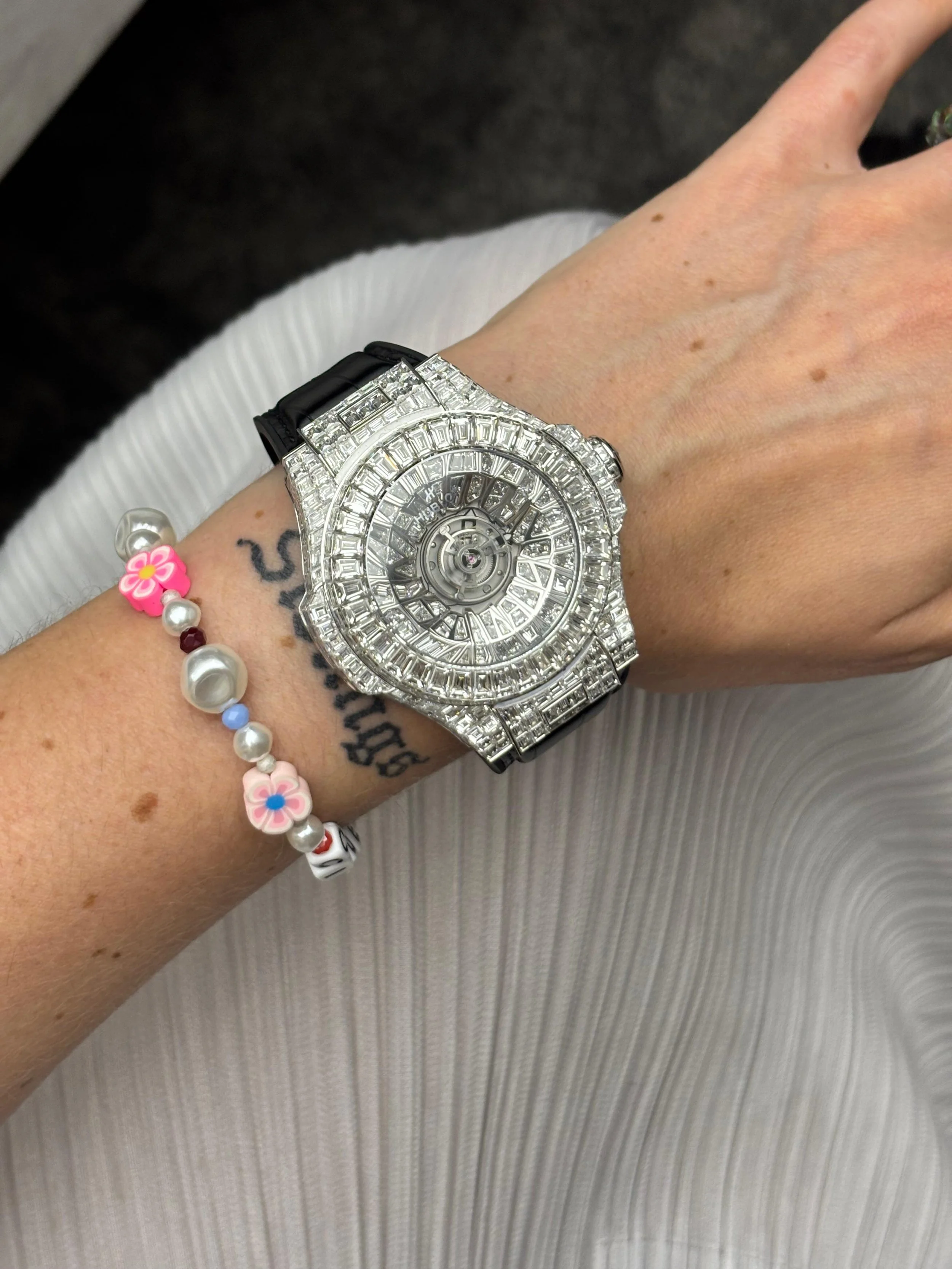
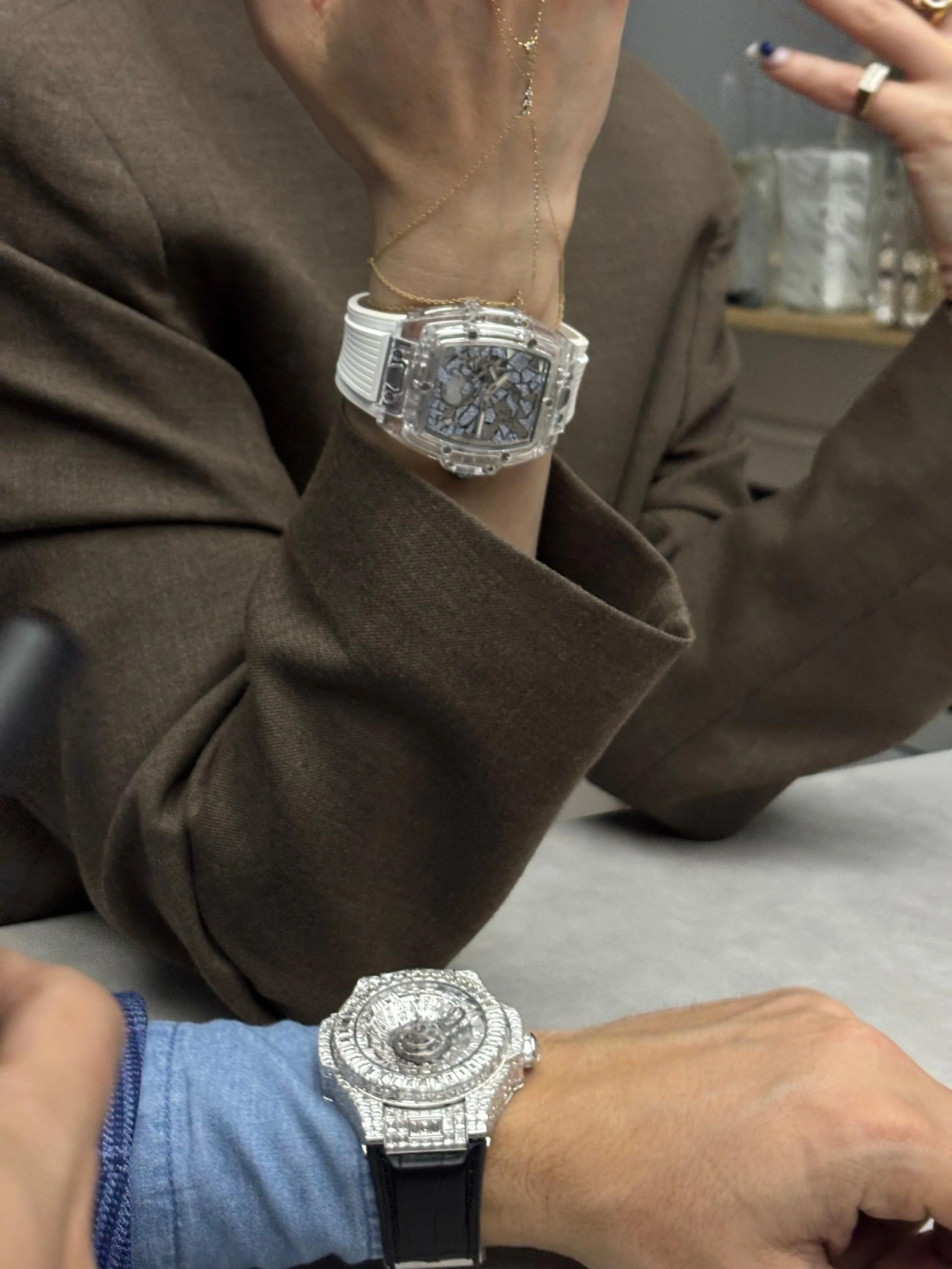
The tiny watch trend is officially over for the women who set the tone - and a big, borrowed-from-the-boys timepiece is the next move
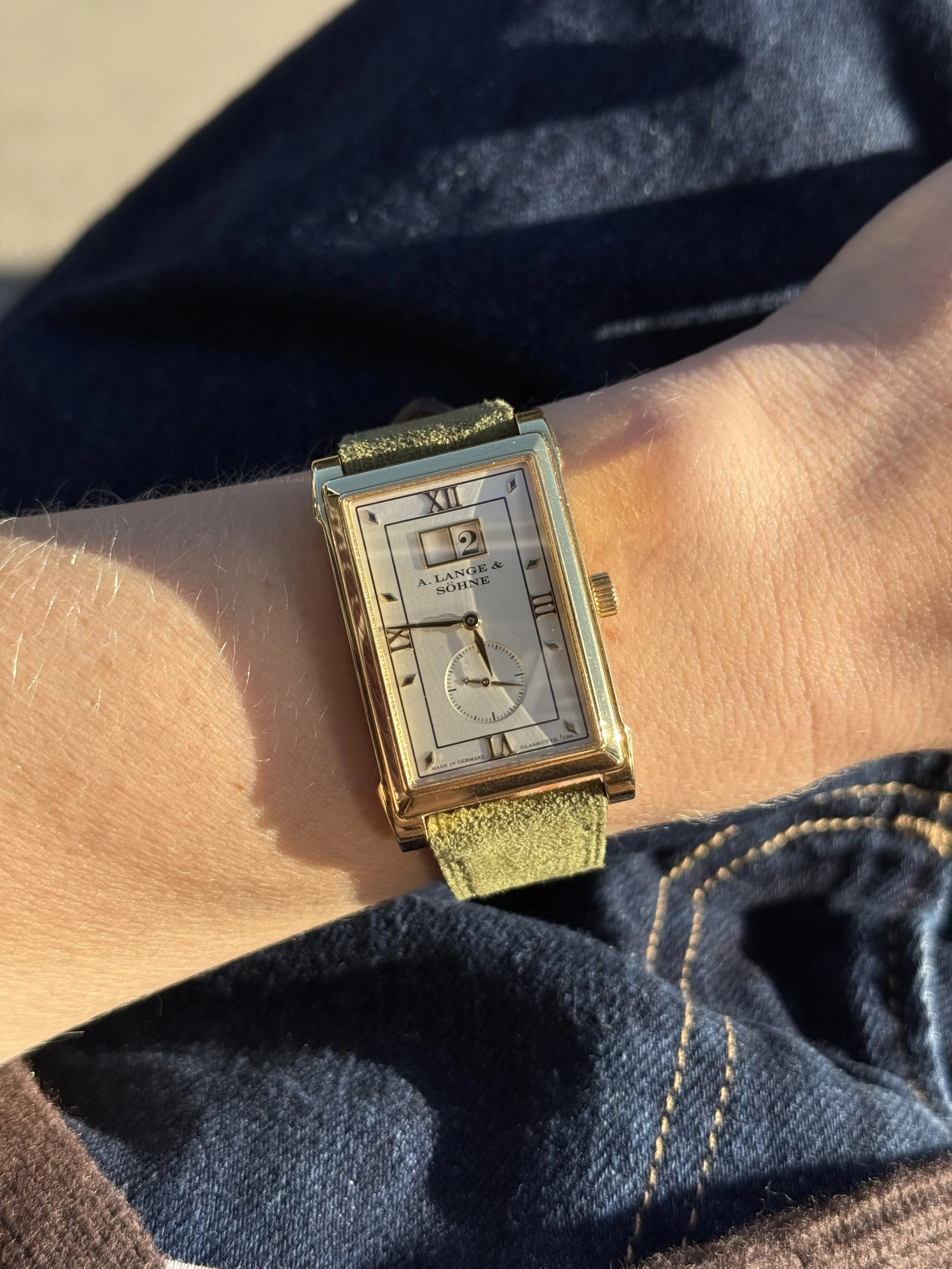
Trends are always cyclical. What’s ‘in’ today is as likely as the banishment of skinny jeans to be out tomorrow. Granted, the wheels of watchmaking turn at a much slower rate - we’re talking decades as opposed to what often feels like days in sartorial circles - but there’s always an aesthetic look that defines the horological zeitgeist. Right now, that’s small, jewellery-adjacent, vintage watches.
But purveyors of style always go against the grain, whether consciously or not, with a middle-finger-to-the-masses mentality that sees them naturally adopt the opposite to everyone else. It therefore makes perfect sense to me that I’m feeling rumblings, particularly amongst us girlies, that big watches are back.
Part of what's driving the small watch moment is the mainstreaming of watch culture itself. A Cartier Tank - once the quietly esoteric province of women who knew - is no longer a secret handshake. Watches have entered the same cultural conversation as bags and shoes; they’re considered, researched, discussed on TikTok, and recognised by people who couldn't previously have told you the difference between a quartz and an automatic. Which means, inevitably, that the women who set the tone are already looking elsewhere. Essentially, when the masses catch up, the tastemakers move on. And where are they moving? Somewhere bigger.
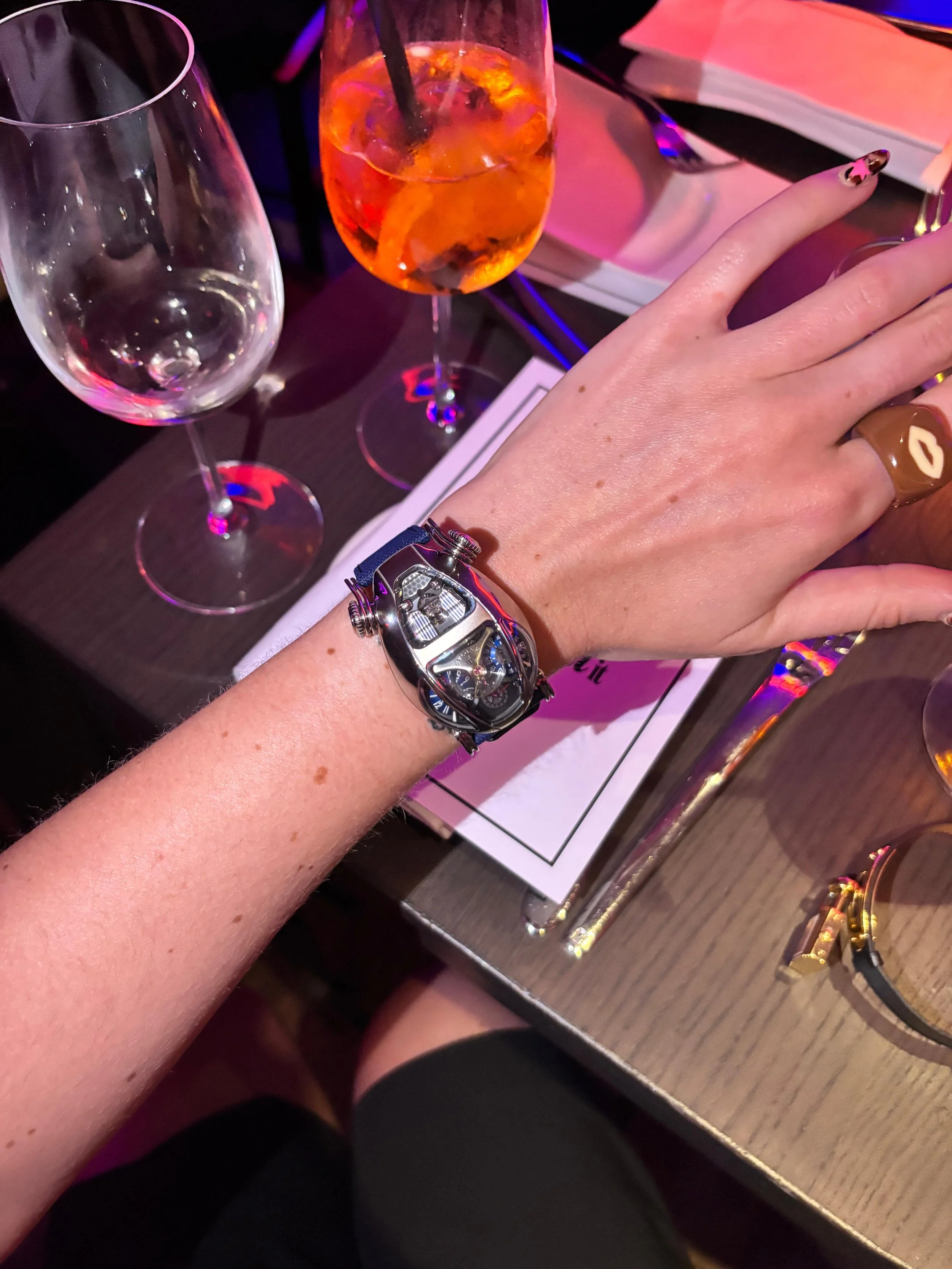
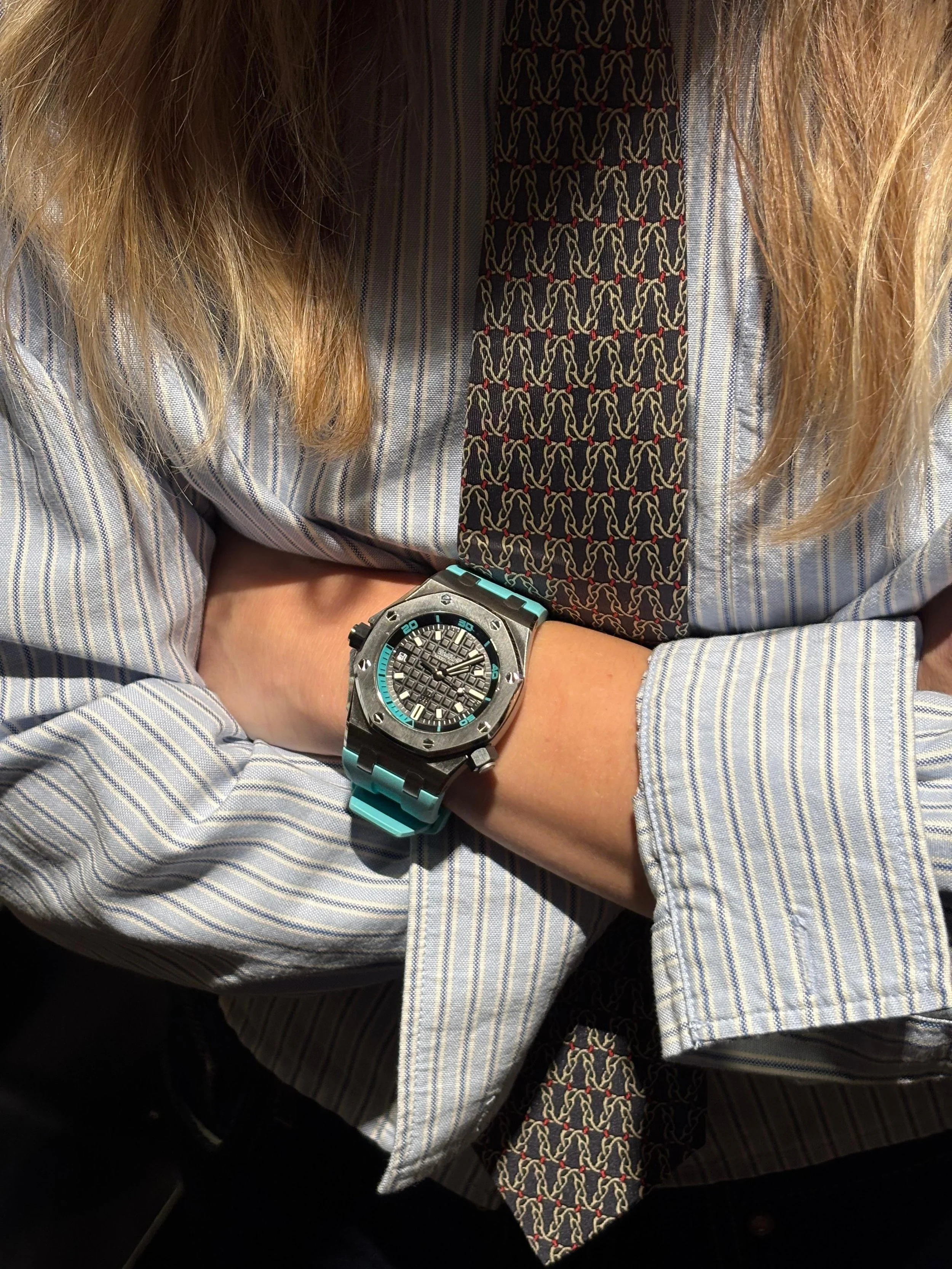
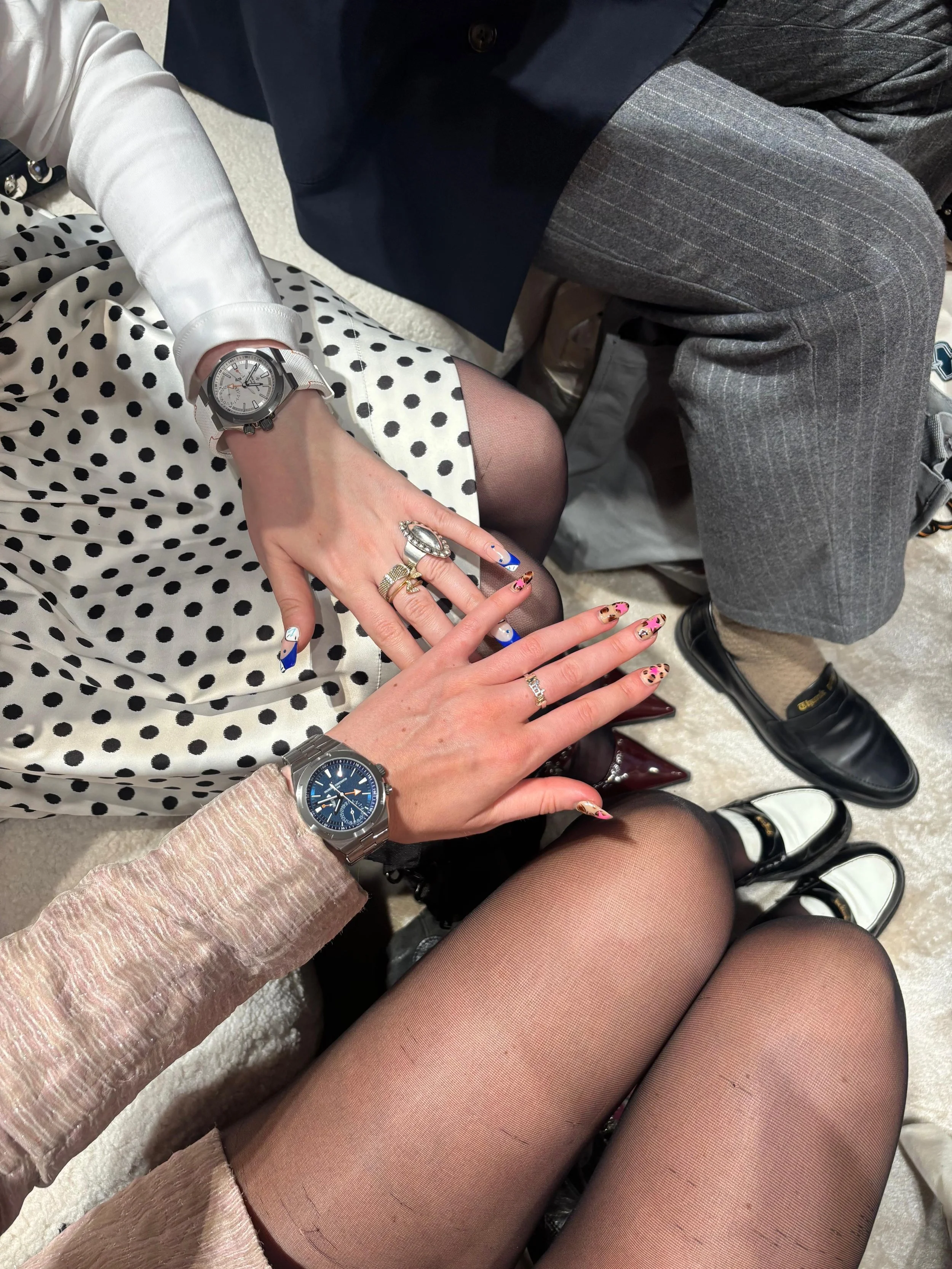
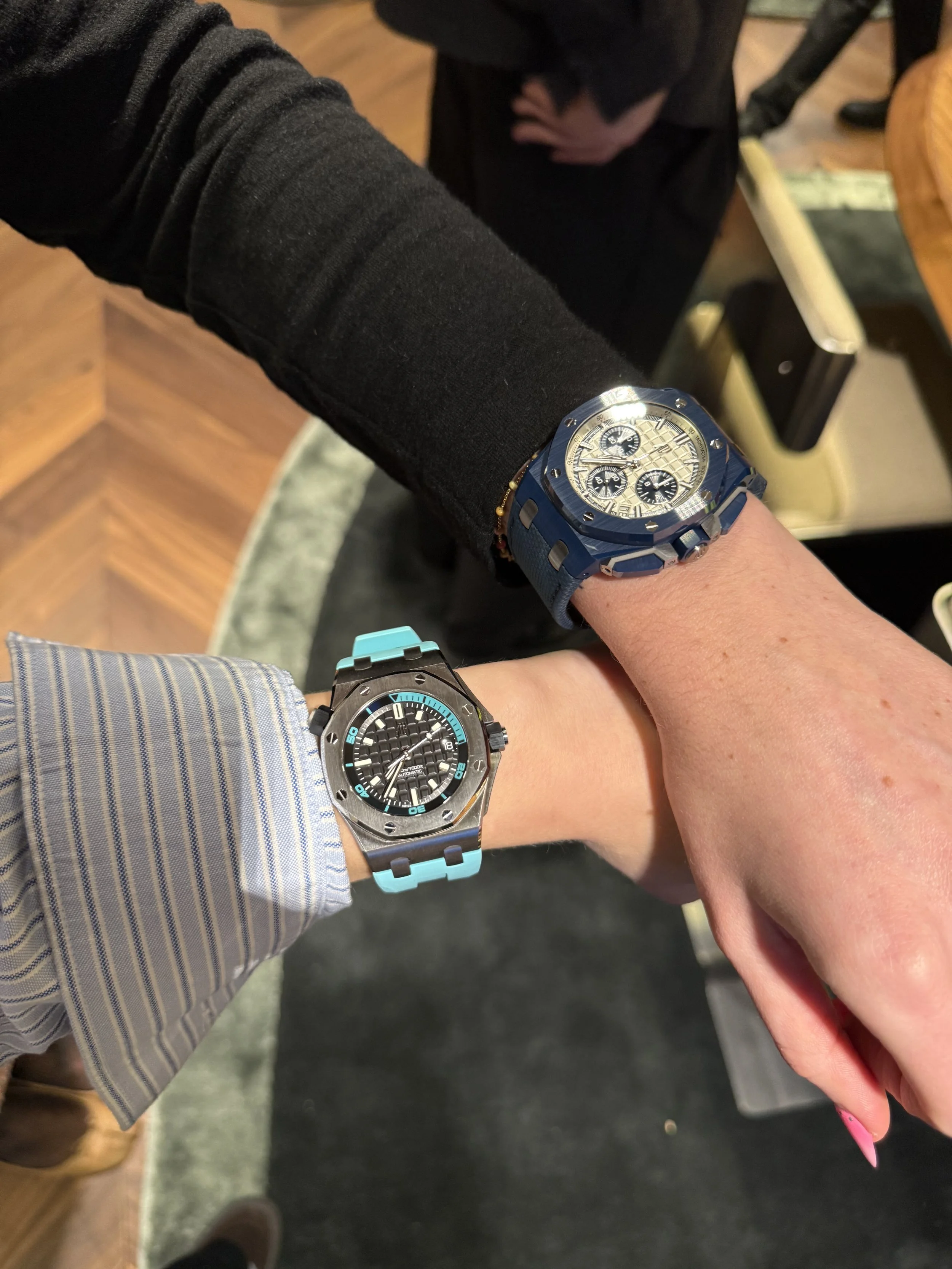
Think about Audemars Piguet’s Royal Oak Offshore - a piece that’s divided opinion since its 1993 debut. Bulkier, bolder and more aggressive than its Royal Oak predecessor, a young and rebellious Emmanuel Gueit designed it to provoke, and it still does. When AP relaunched it earlier this year, I knew this wouldn’t be the last I would think about it. I was standing next to Emily Marsden (@secretdiaryofawatchgirl) at AP House, who turned to me and said, “Offshore summer pending”, and how right she was.
Last week, it was re-released in blue and pink colourways with diamond detailing, in what might charitably be described as a 'female-focused' 37mm. Though considerably downsized compared to the 42mm original, that's still a full centimetre larger than the classically palatable 27mm Cartier Tank Solo. AP is apparently trying to meet women halfway - one foot in femininity, one foot in something beefier. It's a start, but the most interesting thing about that release isn't the colourway, it's that the brand felt compelled to make it at all.
To me, there's a generational logic to this shift. The current obsession with tiny, dainty watches is often framed as nostalgia - a nod to the 60s and 70s, when watches were slim, discreet and barely-there. But for most women under 40, that's not nostalgia, that's history. The era that actually lives rent-free in the collective heads of millennials and Gen Zs is the 90s and early noughties - and back then, bigger absolutely meant better.
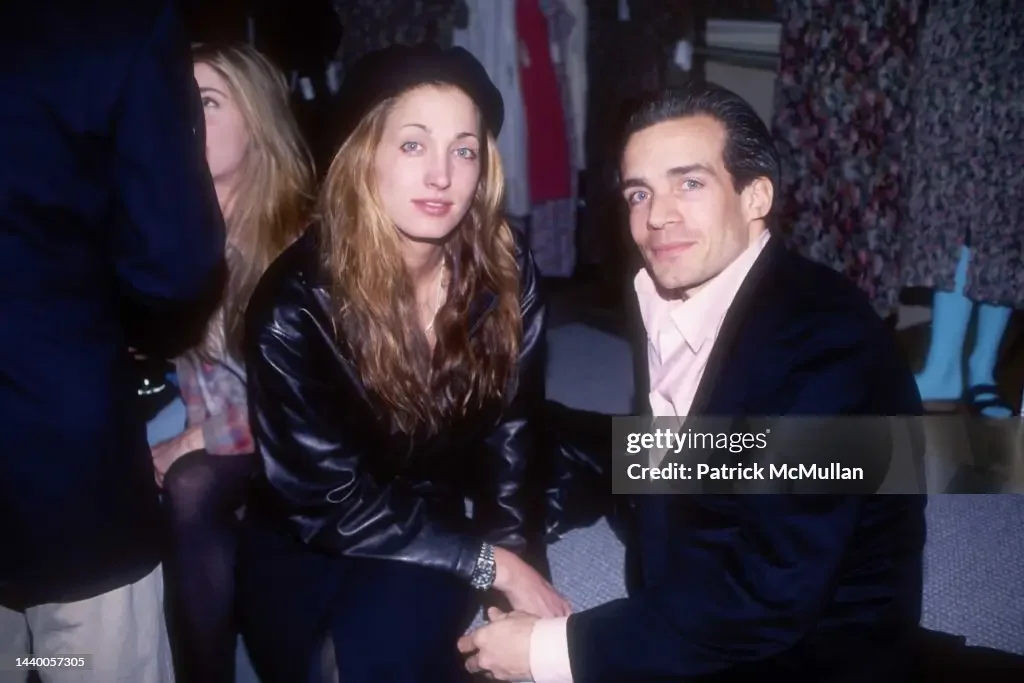
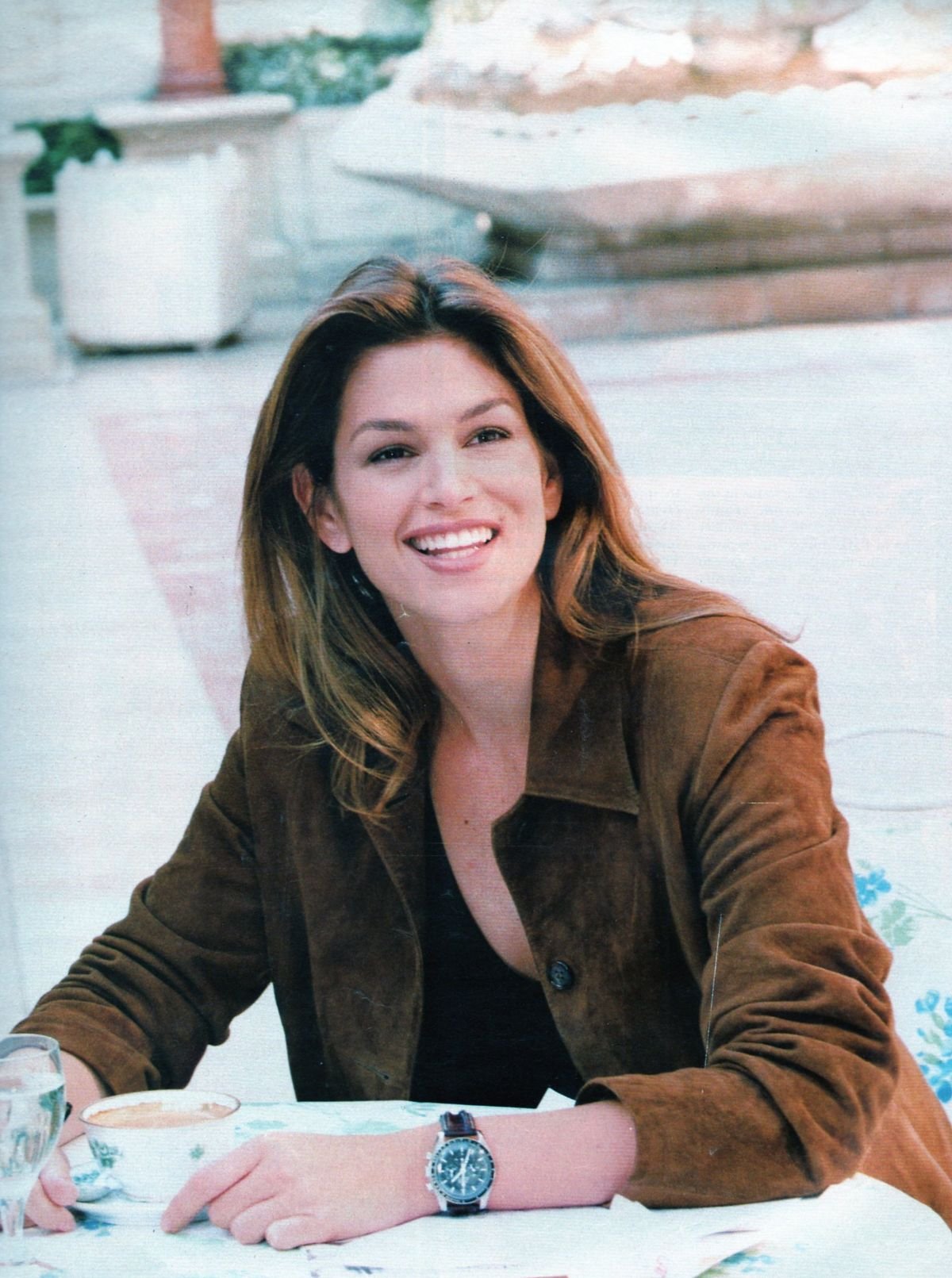
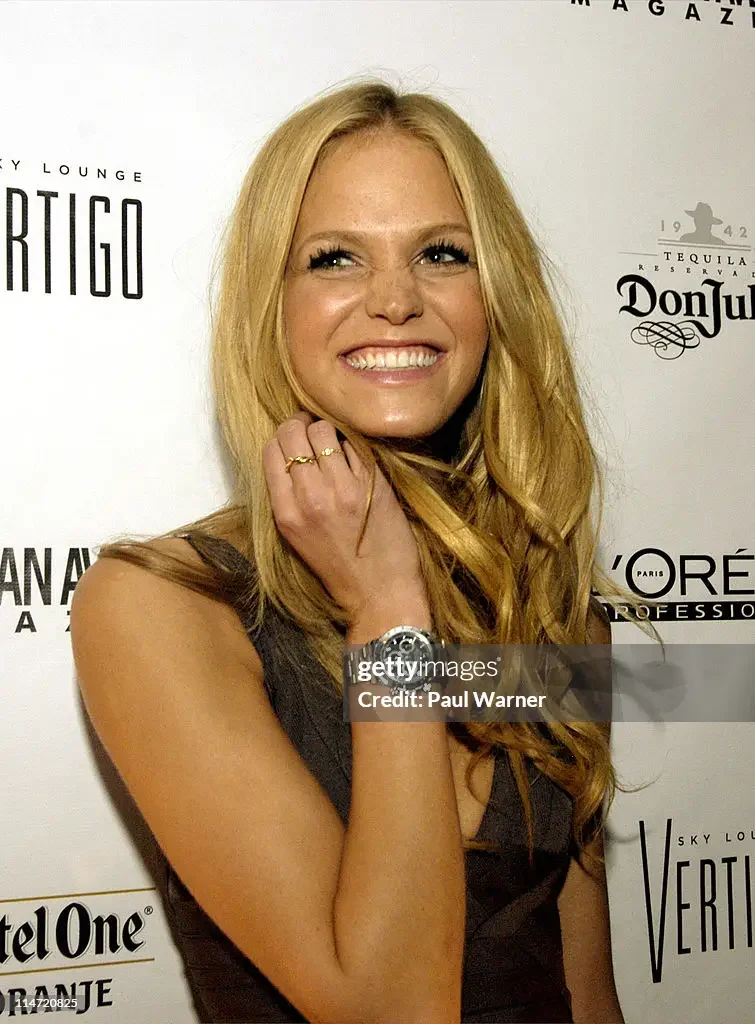

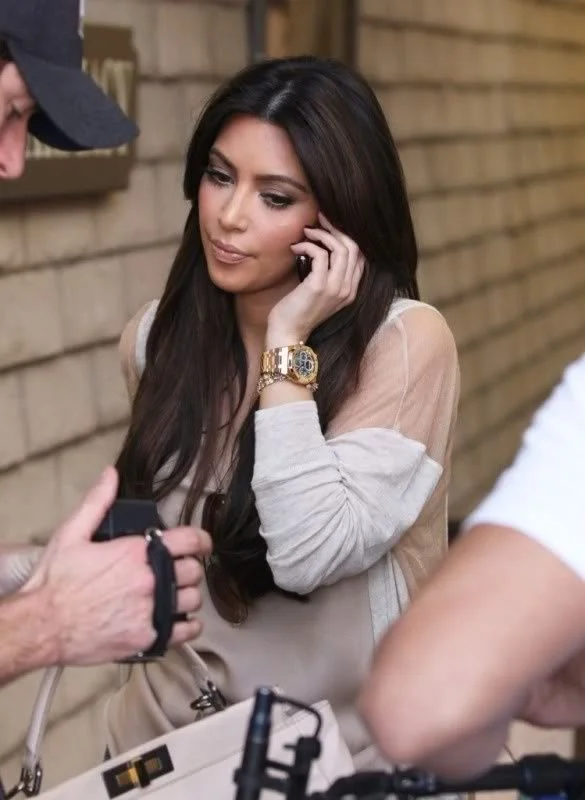


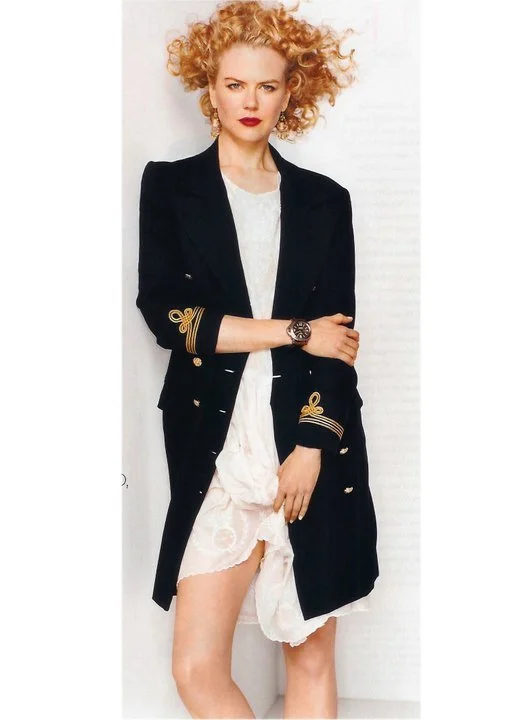



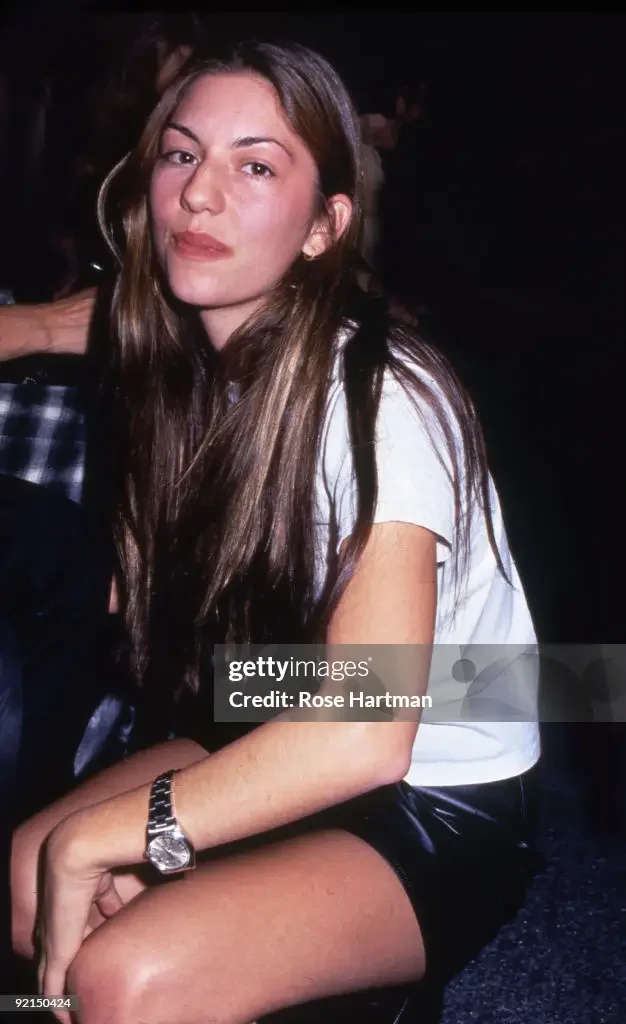

The cultural evidence is everywhere if you know where to look. Kate Moss wearing a Rolex Daytona loosely on the wrist as if it had been borrowed from someone else's bedside table. That studied nonchalance, the oversized dial sliding towards her knuckle, was never accidental, it was the whole look. Then there's Carolyn Bessette-Kennedy, perhaps the most dissected style icon of the internet age, who yes, wore a delicate Cartier Tank, but was also photographed in a chunky TAG Heuer diver, which rather complicates the demure narrative her canonisation has built. And then the sartorial piece de résistance: mid-noughties Lindsay Lohan, papped post-club with not one but two Rolexes - an Oyster Perpetual and a Submariner - stacked on her wrist. At a moment when social media is visibly fatigued by the beige and curated, the chaotic, anti-'clean girl', maximalist excess feels a much more real moodboard.
Without spewing feminism on the page, wearing a big watch as a woman is quietly a small act of defiance. It resists the historical idea that women's relationship with timekeeping should be decorative and peripheral - jewellery that happens to tell the time. A large, ‘serious’ watch is unapologetic in taking up space in a way that a cute 27mm dress watch, by design, does not.
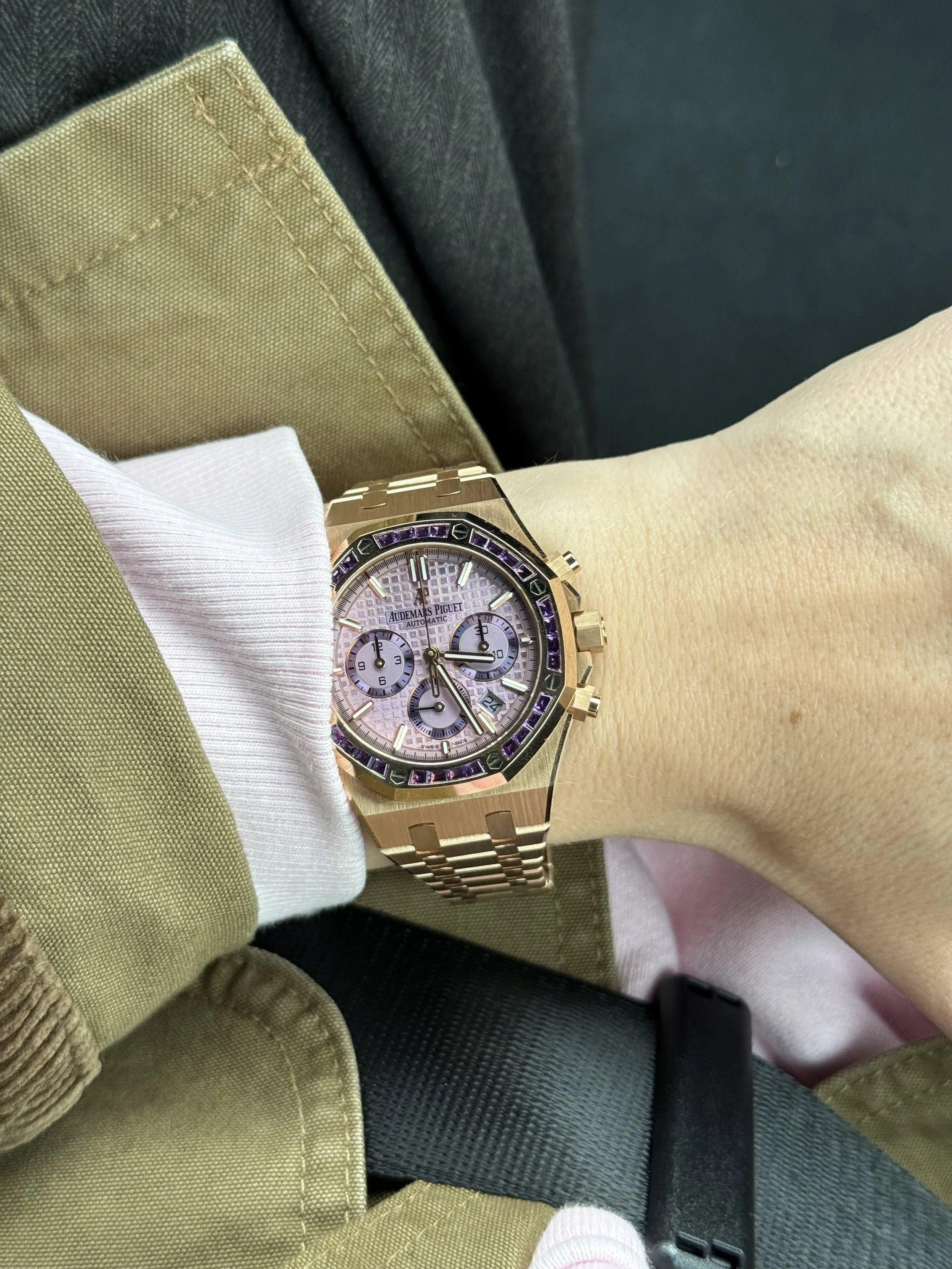
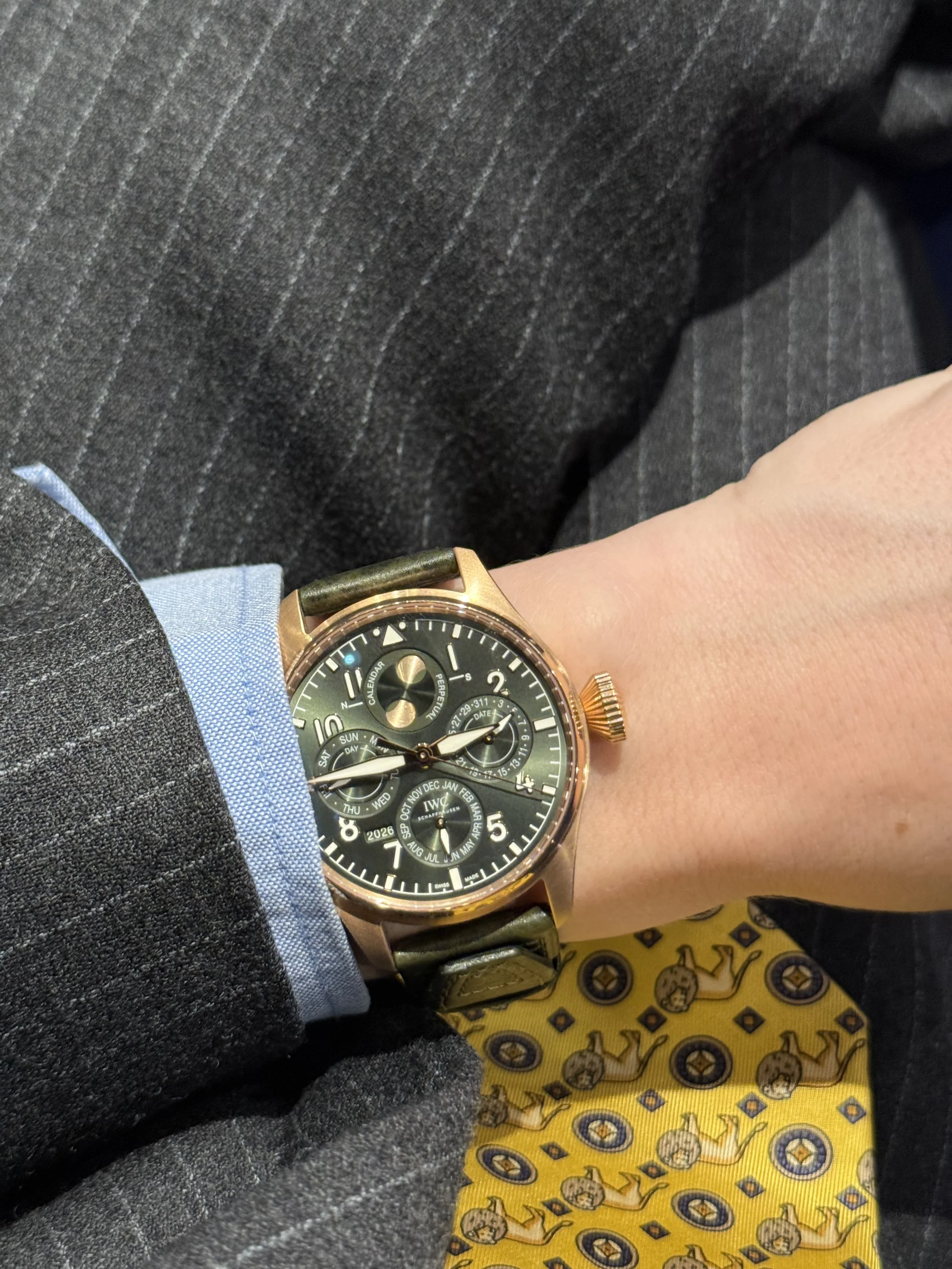
Which brings me to the industry's problem. Because if the appetite is there (and I'd argue it increasingly is) watchmakers need to do better. Simply offering women a pink version of the men's collection, or a mother-of-pearl dial on a shrunken case, is not the same as genuinely designing for women who want something bold and worth taking seriously. The updated Offshore is singing from my hymn sheet, but it’s giving acapella rather than choir. Women who want a big watch mostly want what men have always had: options. Variety. The confidence of knowing a brand designed this for someone like them, not as an afterthought.